Total Pageviews

Showing posts with label English pronunciation. Show all posts

Thursday, September 29, 2022

An unforgettable English pronunciation pattern: double consonants in English prevent diphthongisation

From: https://writingexplained.org/diner-vs-dinner-difference

Hello again!

Last August I wrote and prepared this fresh new entry, which I intended to publish during the first days of September. Man! I've been so busy going back to work that I haven't had time to publish an already prepared entry!

I will write my first entry in September (although I'm publishing it today on September, 29th) about a very interesting English pronunciation pattern. As you know, English can be daunting for Spaniards because of its tricky pronunciation, but there are certain patterns or secret rules that can be learnt in order to guess how a given word might be pronounced. 

Today I'm sharing with you one of these patterns involvind double consonants -and by double consonants I mean, two identical consonants together.

In English, every time we have the pattern: vowel + consonant+ vowel, there's usually a diphthong involved :

1) a + consonant + e: DIPHTHONG [eɪ]. Examples: plane, cake, name, same, plate, base...

2) i + conosonant + e: DIPHTONG [aɪ]. Examples: time, file, bike, ride, hide,...

3) o + consonant + e: DIPHTHONG [əʊ]. Examples: phone, code, rode, gnome, coke, scope...

However, this rule or pattern is broken whenever there's a double consonant involved. In this case, the double consonant prevent the previous vowel from diphthongising. A good example to explain this is 'apple'. Being spelt with double 'p' this word can never be pronounced [*'eɪpl] and it is pronounced ['æpl]. Sounds complicated? Let's see this with some other practical examples:

  •  Dinner ['dɪnə] vs diner ['daɪnə]: These two words are indeed similar in orthography but different in pronunciation and meaning: 'Dinner' is the meal normally eaten at night and 'diner' is the typical American restaurants where you can have sandwiches and lots of coffee. 'Dinner' is spelt with double n, so there's no possible diphthong. The word is pronounced ['dɪnə],whereas 'diner' ['dɪnə] is written with just one 'n', so it follows the pattern described in number 2, that is, i + consonant + e, hence it is pronounced with the diphthong [aɪ]. The same happens to the words 'dining' (room), and the verb 'dine'
  • Writing ['raɪtɪɳ] vs written ['rɪtn] // Biting ['baɪtɪɳ] vs bitten ['bɪtn]:  The verb 'write' and its gerund 'writing' are spelt with one 't', so they follow the pattern in number 2 and are prounced with the diphthong [aɪ]. The participle 'written', however, is spelt with double 't', so there's no possible diphthong and the vowel before the double consonant is shortened [ɪ]. During my career as an English teacher, I have seen the word 'writing' misspelt thousands of times! Most of my students write it with double 't' (*writting). I always tell them if that word were spelt with double 't' it would be pronounced *['rɪtɪɳ]. The same thing goes with 'biting' (gerund of 'bite') and 'bitten' (British participle of 'bite')
  • Riding ['raɪdɪɳ] vs ridden ['rɪdn]: This example is similar to the previous one. The verb 'ride' is pronounced with the diphthong [aɪ]. However, its participle, being spelt with double 'd', is pronounced without the diphthong. 
  • Plane [pleɪn] vs planned  // cane [keɪn] vs canned [kænd] // bane [beɪn] vs banned [bænd]: 'Plane' (the means of transport with wings), 'cane' (the object some elderly people need to walk) and 'bane' (destruction, Batman's enemy) fit in the pattern described in number 1: a + consonant +e, hence they are pronounced with the diphthong [eɪ]. However, 'planned' (the past of the verb 'plan'--make plans), 'canned' (put food in cans -- canned food), and 'banned' (prohibited) are spelt with double 'n', which makes the diphthong impossible. Instead, they are pronounced with the short vowel [æ].
  • Mike [maɪk] vs Mickey ['mɪki] // biker ['baɪkə] vs bicker ['bɪkə]: This case is quirky, as the examples here do not technically refer to a double consonant, but the letters <ck>, which both represent the same sound [k], as if they actually were a double consonant. Let's begin with the hypochorisms of my name. 'Mike' fits in the pattern of number 2: i+consonant + e, hence it is pronounced with diphthong [aɪ]. However, the word 'Mickey' is spelt with <ck>, which technically works as double [k] sound and this prevents the diphthong. The same thing occurs with 'biker' (the person who uses a bike) and 'bicker' (argue).
  • Sitting ['sɪtɪɳ] vs citing ['saɪtɪɳ]: Yet another example of gerunds. 'Sitting', being spelt with double 't' is pronounced with the short sound [ɪ], whereas 'citing' (the gerund of the verb 'cite') is pronounced with the diphthong [aɪ], as it fits in the pattern of number 2. 
  • File [faɪl] vs filled [fɪld] // mile [maɪl] vs milled [mɪld]: 'File' and 'mile' are pronounced with the diphthong [aɪ], as they fit in the pattern explained in number 2. However, the words 'filled' (past of 'fill') and 'milled' (past of 'mill'), being both spelt with double 'l', are pronounced with the short sound [ɪ].
  • Winning ['wɪnɪɳ] vs whining ['waɪnɪɳ]: 'Winning' (the opposite of 'losing') is spelt with double 'n', hence there is no diphthong, whereas 'whining' (complaining) does have a diphthong as it is just spelt with one single 'n'.
  • Pale [peɪl] , vale [veɪl], vile [vaɪl] vs pallor ['pælə] , valley ['væli] and villain ['vɪlən]: I love these examples as they refer to closely related words, but they sometimes have a dipthong and they sometimes have a short sound. The adjectives 'pale' and 'vile' are both uttered with a diphthong as they fit in the pattern described in numbers 1 and 2 and they are spelt with one single 'l'. Their nouns 'pallor' and 'villain', however, are uttered with short sounds as they are spelt with  double 'l', which prevents diphthongisation. The words 'vale' and 'valley' are synonyms. 'Vale' has the diphthong [eɪ], but 'valley', being spelt with double 'l' has no diphthong. 

Well, I hope this English pronunciation trick has been useful for you. This is the trick I use to tell my students why 'apple' has no diphthong at all...

Here you have the link to other entries involving English pronunciation: minimal pairs;  difficult geographical words to pronounce; difficult words to pronounce; same or different?; 10 tricks to improve your English pronunciation; homographs; pronunciation of -ed forms; exercises on -ed endings; double consonants in English prevent diphthongisation; 

See you around.

Sunday, March 18, 2018

Minimal pairs

Another week has gone by again and here I am making my contribution with yet another entry on the quirks of English. Today's entry will be devoted to an English quirk related to pronunciation, no other than minimal pairs. As I mentioned in my post last week, one letter changes everything in English
So, what are minimal pairs, then? Minimal pairs are two different words that are distinguished by one single phoneme, for example, 'pet' and 'bet' are minimal pairs since they are distinguished by the initial sound. In other words, they are words that are pronounced similarly but not equally. It is this quirk that makes English pronunciation a bit hard for Spaniards.
Image result for minimal pairs
In today's entry I will deal with with some minimal pairs involving vocalic sounds. Let's start:
1. [æ] vs. [˄]
The first sound is halfway between a and e, whereas the second sound is pronounced with the central part of the tongue, with the tongue up and it is a bit darker. The first sound usually represented by the grapheme <a>, while the second sound is never represented with the grapheme <a>, being usually represented by graphemes <o>, <u> or <ou>. There are countless minimal pairs involving these sounds:
[æ]        [˄]
Cat       Cut
Hat       Hut
Cap      Cup
Bat       But
App       Up
Crash   Crush
Mast     Must
                                        Ran      Run
                                       Lack      Luck
                                         Fan      Fun

2. [æ]  vs. [a:]
The second sound is longer than the first one. Let' see examples of these minimal pairs:
[æ]            [a:]
Cat            Kart
Pat            Part
Ant            Aunt
Bat            Bart
Pack         Park
Lack          Lark
Cap           Carp
Fat             Fart

3. [e] vs. [3:]
Once again, length is the distinctive feature here, the second sound being longer than the first one:

[e]            [3:]
Fest          First
Head        Heard
Wed          Word
Ten           Turn
Lent          Learnt
Debt          Dirt
Slept         Slurped 
Best          Burst

4. [ɪ] vs. [i:]
This is one of the hardest distinction for Spanish speakers of English. Let's delve into this:

[ɪ]            [i:]
It              Eat
            Fit            Feet / Feat
Sit            Seat
Pitch        Peach
Bitch        Beach
Shit          Sheet
Phil          Feel
           Still          Steel / steal
           Mitt           Meat / meet
This          These
Grin          Green
Mill            Meal
Ship          Sheep
      Pick           Peak   
As you can see the short sound is normally represented by letter <i>, whereas the long sound is frequently represented by letters <ee> or <ea>. In addition, before sound [k], the short sound is followed by the letters <ck>, but the long sound is followed by letter <k>.

5. [ɒ] vs. [ɔ]
The fisrt sound is shorter than the second and is frequently represented by letter <o>. The second sound, by contrast, is longer and frequently represented by letters <or>, <all>, or <au>:
[ɒ]           [ɔ:]
Pot          Port
Shot        Short
Moll         Mall
Toll          Tall
Cot         Caught
Bot          Bought
Cod         Cord
Cost        Coursed
Poll          Paul

6. [Ʊ] vs. [u:]
These sounds are hard to distinguish. Length is once again an important factor; The first sound appear before a double consonant.
[Ʊ]                 [u:]
Pull                Pool
Full                Fool
Would           Wood
                                                   Look               Luke

Well, English pronunciation may seem hard, but don't despair! Try to remember some of these minimal pairs and visit my entry on English pronunciation. If you want to practise, this exercise will make you sweat. You can contribute to the blog and leave comments with more minimal pairs! See you around!

Friday, February 24, 2017

The toughest English words to pronounce II : geography edition


At the beginning of the month, I wrote an entry about the toughest English words to pronounce . Now I'll be writing a similar entry, only this time about geographical words. English cities and villages are usually very difficult to pronounce for Spanish speakers of English, so in this post I did some digging regarding the pronunciation of the most difficult English places. To check the pronunciation, type the place in this webpage and you will hear how it is pronounced. You won't believe your ears. 

1. Norwich [‘nɒrɪʤ]
From : http://www.niyp.org.uk/
2. Greenwich [‘grenɪʤ] : It's not Grin-wuitch. 

From : http://keywordsuggest.org/gallery/222981.html 
3. Dulwich [d˄lɪʤ] : As you can see, there is silent <w> in Norwich, Greenwich and Dulwich ! 
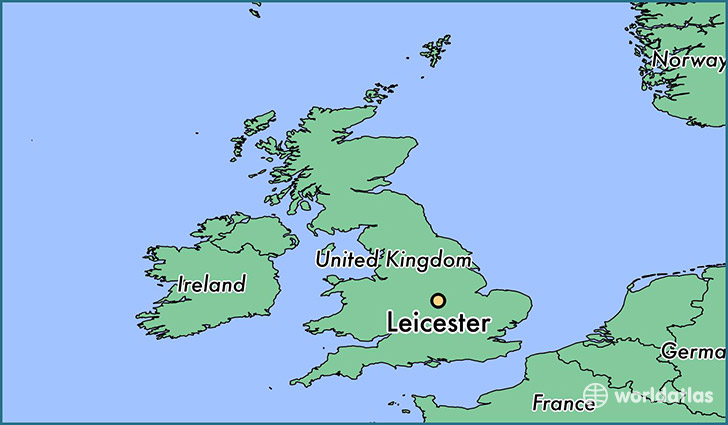
4. Leicester [‘lestə]


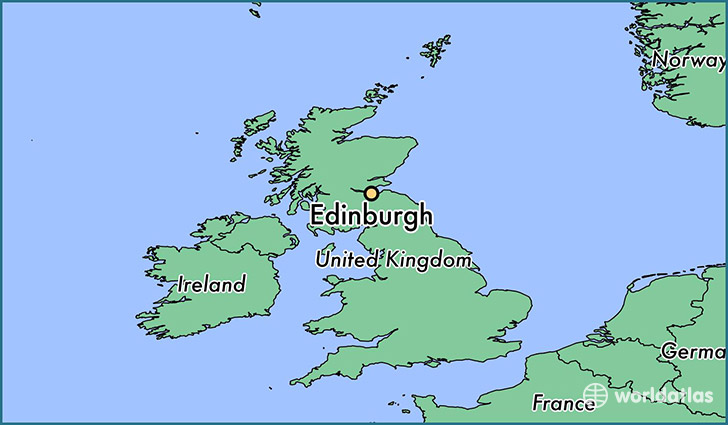
5. Edinburgh ['edimbərə]


6. Durham [‘d˄rəm]. As you can hear, the <h> is not pronounced...

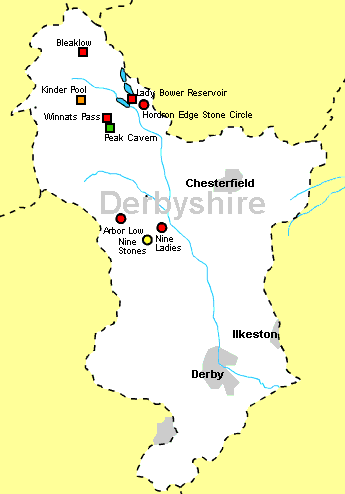
7. Derby [da:bi] : Yes, it is pronounced with long 'a' not 'e'. 

8. Buckingham [‘b˄kɪɳgəm] : Contrary to what most Spaniards think, the <h> is not pronounced...


9. Worcestershire [‘wʊstəʃə] : The key here is to say it really fast ! 

10. Thames [temz] : Yap, incredible thought it may sound, this is London's river. It only has one syllable ! 


11. Celtic [‘keltɪk] : Have a look at its first sound. 


Well, as you have seen, geographical words are hard to learn... and pronounce. Anyway, if I forgot any other place surprisingly pronounced, tell me and I'll include it in my list. 

Saturday, February 4, 2017

The toughest English words to pronounce

I am particularly fond of English phonology. Why ? Well, maybe because I love when things get messy and in the English language pronouncing can get really muddy sometimes. My students say English phonetics have no logic and although that is far from the truth, I sometimes believe they are somehow right. Pronouncing these words will make you sweat given that they defy all kinds of logic. So, I propose you a little game. You go through every word of this post and then you listen to the pronunciation in this wonderful webpage : http://www.oddcast.com/home/demos/tts/tts_example.php?sitepal. It is quite an interesting page for you to continue improving English pronunciation. Let's get started : 

1. Mayor [meə] : A mayor is the person in charge of a city or town. It is not pronounced [‘meɪʤə]. In fact, it only has one syllable, exactly like this [meə]. This word is a homophone with 'mare', the female horse. Surprising, isn't it ? In addition, it is a paronym with major (important), pronounced [‘meɪʤə].
From : https://en.wikipedia.org/wiki/Mayor_Quimby
2. Bury ['beri] :When you put someone or something under the ground. It is pronounced ['beri]. So be careful when you say the English word 'very', because it is quite similar ! 
From : http://freakoutnation.com/2010/10/resolving-the-bury-button-quagmire/

3. Busy[‘bɪzi] :It's an adjective that refers to someone who has a lot of things to do, or to a really frequented place. From busy, we have the word 'business' [‘bɪznəs].
From : http://www.redhot.co.nz/a-rant-about-asking-people-if-they-are-busy/

4. Woman : [‘wʊmən]  vs. Women [‘wɪmɪn]. Do you see how it changes from singular to plural ?

From : http://www.clipartkid.com/women-helping-women-cliparts/


5. Minute [‘mɪnɪt] Who would have said that 'sixty seconds' have two identical vowels ?
From : https://clipartfest.com/categories/view/648f618983be2f6bb06d466822bdd41a412575b2/1-minute-clipart.html
6. Colonel ['k3:nl] : This rank from the army is surprisingly pronounced in two syllables and the vowel 'o' is nowhere present. 
From : https://clipartfest.com/categories/view/b3ca9ae580a4af8b98f42aa22fdc6ad62ae86023/army-colonel-clipart.html

7. Halfpenny [‘heɪpni] : Although it is half a penny, it is pronounced [‘heɪpni].

From : http://www.mossgreen.com.au/m/lot-details/index/catalog/154/lot/66149/HALF-PENNY-1923-Half-Penny-key-date-couple-of-scratches-aVF

8. Hiccough [hɪk˄p] : The sound you make when your throat produces a spasm. Amazing though it may sound, it is pronounced with a final [p].
From : http://www.e-home-remedies.com/hiccough.html
9. Clerk [kla:k] : A person similar to a secretary that works in an office keeping records, typing,... In British English this word is pronounced with the vowel [a:].
From : http://www.clipartkid.com/office-clerk-cliparts/
10. Gaol [ʤeɪl] : In British English, this is the word used for prison. In American English, they use 'jail'. Both 'gaol' and 'jail' are pronounced exactly in the same way ! 
From : https://adelaidegaol.org.au/booking/
11. Choir [kwaɪə] : Yes, a group of people singing is a particularly strange word in English he he. It has a homophone 'quire' (stacks of paper). 

From : http://www.theprospect.net/the-life-of-a-choir-kid-7822
12. Gauge [geɪʤ] : An instrument for measure. In American English, this word is pronounced in the same way but it is written 'gage'. Much more logical, isn't it ?
From : https://www.targetdashboard.com/blog/56/Ways-to-effectively-implement-Gauges-in-your-Dashboard.aspx
13. Yacht [jɒt] : Yes, the letters <ch> are not pronounced...
From : http://www.clipartguide.com/_pages/0511-0905-2402-3525.html
14. Vase [va:z] : A vase of flowers for the upcoming St. Valentine's Day. What a good idea ! It depends on where you are. If you are in the UK, you will have problems to be understood. However, in American English, the pronunciation of this word is [veɪz], so you won't have any problems. 
From : https://clipartfest.com/categories/view/7ea26b141c8a9701db57967b3973123bfbab2587/vase-clipart-images.html
15. Bass [beɪs] : This instrument is pronounced in the same way as 'base', so be careful and remember this ! You can also remember the song : It's all about that bass...no trouble...
From : http://cliparts.co/jumping-bass-clip-art
Well, enough for today. You have a lot of words whose pronunciation you need to memorise. From now on, try to pay attention and do not mispronounce these words. English is a challenging language and you need to overcome that challenge. Go for it ! 
 P.S. Next week I will continue with some tough geographical words to pronounce, In the meantime, if you want to keep learning about English pronunciation, do not hesitate to have a look at my tips for pronunciation. Stay tuned ! 

Tuesday, February 9, 2016

Same or different ?

Do you remember my post about the illogical English pronunciation ? Well, today I propose you a challenging game. I will present you with some pairs of words and you will have to decide if they are homophones (words written differently but pronounced in the same way) or minimal pairs (very similar words in pronunciation with only one distinctive phoneme). I will present you with the pairs of words and you will have to decide if they are pronounced the same or not. Then, you can see the solutions down below.  Are you ready ? I warn you : be prepared for surprise:


1. kennel vs. kernel
  
From : http://freepuppiesfinder.blogspot.com.es/   From :http://www.fotosearch.com/ilustracion/corn-kernel.html

2015/06/puppy-kennels.html

2. mayor vs. major

                    
From :  https://en.wikipedia.org/wiki/Mayor_Quimby   From : http://www.andrews.af.mil/library/biographies/bio.asp?id=14005
 3. use vs. juice
From :  http://yonanas.com/juice/ 
From : https://twitter.com/projetouse 

4. Flower vs. flour 

 
From :  http://www.clipartpanda.com          From : http://clipartfreefor.com/cliparts/flour-clipart/
/categories/flower-clipart                           cliparti1_flour-clipart_01.jpg

5. gaol vs. jail
From : http://clipartfreefor.com/files/1/21973_jail-clipart.html
6. berry vs. bury
From : http://4vector.com/free-vector/             From : http://deevybee.blogspot.com.es/2012/08/
        small-red-berries-clip-art-4266               lhow-to-bury-your-academic-writing.htm

7. marry vs. Mary vs. merry
From : http://www.sodahead.com/entertainment/in-which-age-are-you-going-to-marry/question-1848779/ 
                                                              http://www.animatedimages.org/cat-merry -christmas-570.htm                                                                               
From :http://www.caringcatholicconvert.com/_sites/wordpress/articles/mary/our-lady-in-the-middle-east/ 
8. Core vs. corps

From : http://www.gograph.com/stock-illustration/core.html
 
From : http://www.bmaconline.org/index.cfm/youth-education/us-army-cadet-corps/


9. Right - write
 
From : http://school.glwh.org/grace-lutheran-school          From : https://play.google.com/store/apps/details?id=
-is-the-right-choice/                                                       com.jamesmc.writer

10. Cereal vs. serial
From : http://www.quakeroats.com/products/              From : http://lankahelper.blogspot.com.es/2014/09/200-tv-seriesl
 cold-cereals/life-cereal/regular.aspx                        -folder-icon-pack.htm


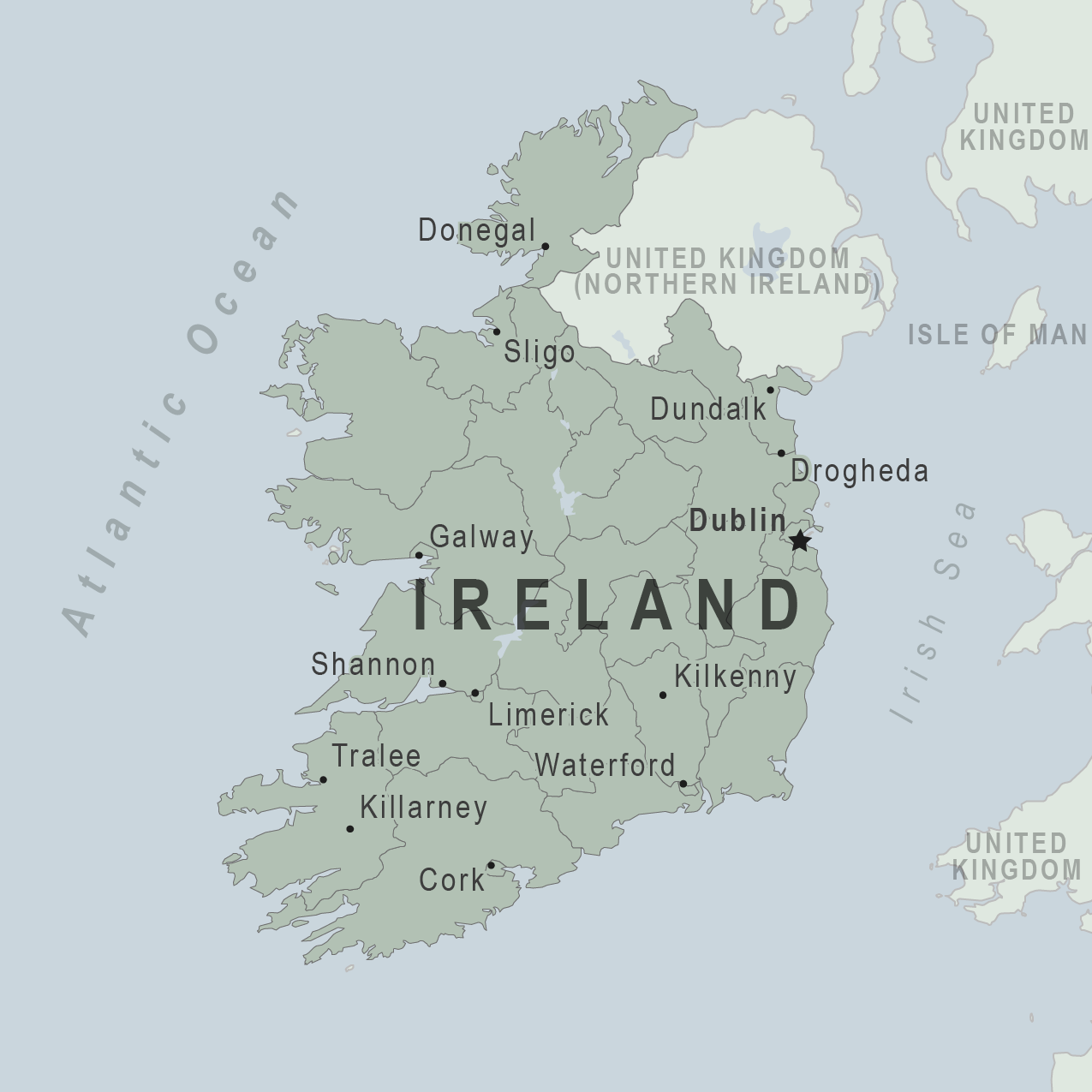
11. Ireland vs. island
  
From http://wwwnc.cdc.gov/travel/destinations/        From : http://www.messynessychic.com/2014/05/16/a-hotel-on-it/
traveler/none/ireland                                              my-tiny-heart-shaped-island-and-yes-theres-

Solutions :

1. DIFFERENT (minimal pairs): Kennel ['kenl] kernel ['k3:nl]. As you can see, the second word is a bit longer than the first one. Surprisingly, 'kernel' is homophones with 'colonel'. Did you know that ?

2. DIFFERENT  : Mayor [meə]; major ['meɪʤə]. As appreciated, the first word is a bit irregular. However, the first word is homophones with the female horse : 'mare'. Quite interesting, don't you think ?

3. DIFFERENT :  Use [ju:z];  juice [ʤu:s]. Although, they seem very similar, both words have very distinctive sounds. Firstly, the difference between [j] and [ʤ]. Secondly, the sibilant sound in the first one is voiced, while in the second one is voiceless.

4. SAME (homophones) : Yeah ! Both words are pronounced the same : [flaʊə], with just one syllable. If you say the sentence : I work in a flour factory, someone may think that you make flowers and not flour ! 

5. SAME (homophones). They are both pronounced [ʤeɪl]. The first one is typically British. These words are really special homophones. Not only are they pronounced the same, but they also refer to the same thing and they have the same meaning ! 

6. SAME (homophones) : Both of them are pronounced ['beri]. As you can see, the second word has an unusual pronunciation.

7. DIFFERENT (minimal pairs) : Marry ['mɶri]; merry ['meri]; Mary ['meəri]. 

8. SAME (homophones) : Both words are pronounced [kɔ:]. 

9. SAME (homophones) : Both words are pronounced [raɪt]. These words are also homophones with 'rite' and 'wright'.

10. SAME (homophones) : Both words are pronounced ['sɪərɪəl]. What a wonderful language English is ! 

11. SAME (homophones), but only in British English ['aɪlənd]. You can say a sentence like Ireland is an island. However, in American English, post-vocalic 'r' is pronounced, so they would be different words in American English. 

Did you enjoy the post ? Then post a comment and add more pairs to my list.